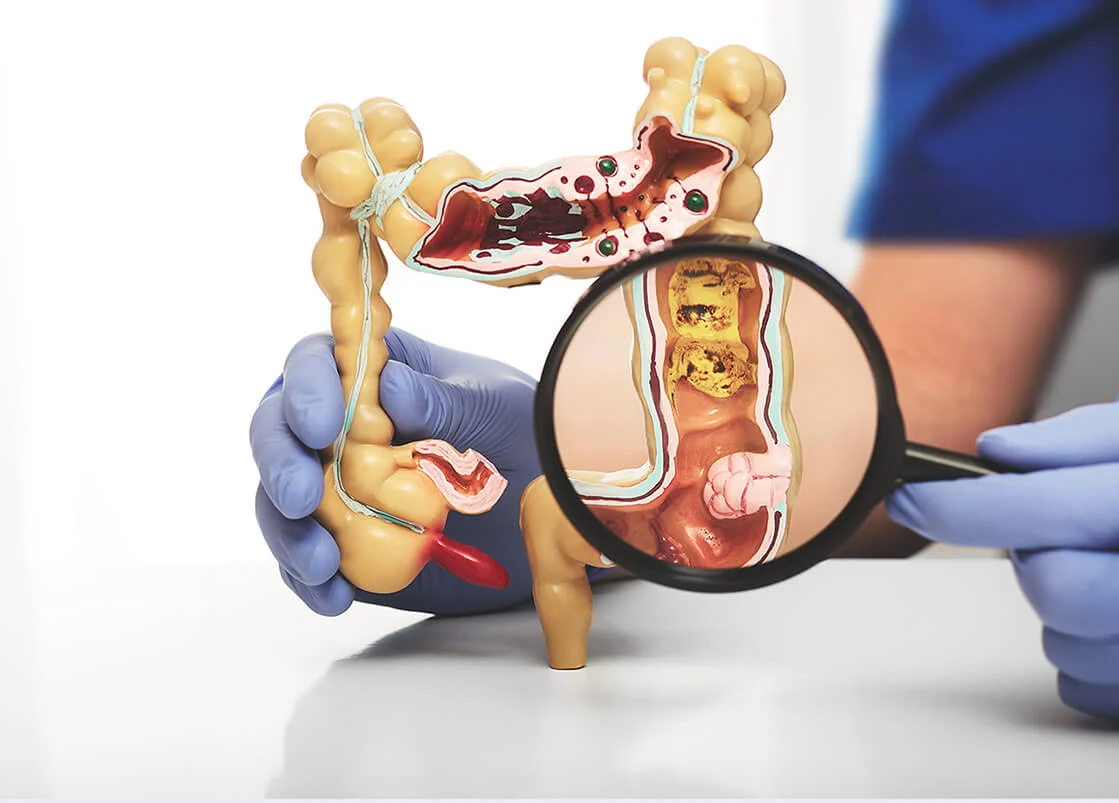
Introduction
In 2018-2022, prostate cancer is the most commonly diagnosed cancer among males (7,515 out of 43,096 incidence). In terms of mortality, prostate cancer is 5th instead (1,170 out of 16,303 male deaths). [1] Put in another way, 24 males in Singapore are diagnosed with cancer each day, and 4 cases a day are prostate cancer.[2]
Encouragingly, the five-year relative survival rate stands at 89.2% [1], highlighting the impact of early detection and treatment.
Yet, many men remain unaware of how or when to screen for it. Prostate cancer often grows silently, without symptoms, in its early stages. That’s where the PSA test comes in—a simple blood test that can help detect warning signs early. In this article, we will look at what the PSA test is and why it is important. We will also see how a lab like Parkway Laboratories helps both doctors and patients.
What is the PSA Test?
PSA stands for Prostate-Specific Antigen, a protein produced by both normal and cancerous cells in the prostate gland. The PSA test is a blood test that measures the level of PSA in your blood. High levels may indicate prostate cancer. However, non-cancerous issues like an enlarged prostate or inflammation can also raise PSA levels.
This test helps doctors decide whether further investigations—such as imaging or a biopsy—are necessary.
Why Do You Need This Test?
Your doctor may recommend for you to take a PSA test if you[3]:
- Are aged 50 years old or above
- Men with a strong family history of Prostate Cancer may be offered screening at an earlier age
- Experience urinary symptoms such as difficulty urinating, weak flow, or frequent urination at night
Screening and diagnosis at early stages may detect the disease when it is still curable [4].

How is the Test Done?
The PSA test is simple and quick:
- Our phlebotomist will draw a small sample of blood from your arm.
- Parkway Laboratories will receive and log your sample for analysis.
- Our lab team will process it using advanced immunoassay systems to deliver fast and accurate results.
- We typically return your results to your doctor within 1–2 working days.
You do not need any complicated preparation for the test. However, your doctor may suggest that you avoid ejaculation or vigorous exercise for 48 hours before the test [5]. These activities can change your PSA levels.
Understanding Your Results
Here’s a general guide to PSA levels:
- 0–4 ng/mL: Generally considered normal
- 4–10 ng/mL: Mildly elevated — may require further monitoring
- >10 ng/mL: Higher likelihood of prostate cancer, biopsy may be recommended
However, your doctor must always interpret the results of the test. They will take into account your age, risk factors and other clinical findings before explaining what the results mean to you. .
Link Between PSA and Prostate Cancer [6]
Prostate cancer usually develops slowly and many cases are detected early through PSA screening before prostate cancer symptoms even arise. When paired with a physical examination or imaging, PSA testing helps to guide clinical decision-making.
In some cases, doctors do sequential PSA tests over time. This helps them to assess if the PSA level are rising. A rising trend may prompt your doctor to order additional tests. For men who have prostate cancer, the PSA test helps check how well treatment is working or if the cancer may have come back.

Prevention & Health Tips
While there is no guaranteed way to prevent cancer, quitting smoking, eating a healthy diet and exercising may also help prevent some cancers.
Talk to your doctor about how you might lower or screen for your risk of cancer. [7]
Conclusion & Call to Action
Related Tests for Prostate Cancer Screening and Diagnosis
Parkway Laboratories offers a wide range of laboratory services to support prostate health and cancer detection:
- Blood Tests
- Prostate Health Index
(PHI) – This blood test combines total PSA, free PSA, and [-2]proPSA to assess prostate cancer risk.
PHI has a high accuracy for detecting prostate cancer and discriminating between aggressive and non-aggressive cancers. [8]
- Prostate-Specific Antigen (PSA) – Includes:
- Total PSA (IMM)
- Free PSA (IMM)
- Tumour Marker Panels for Men – Including TM1 M to TM6 M for broader cancer screening.
|
Profile Code
|
|||||||
|
Immunology
|
|||||||
|
Alpha Fetoprotein
|
◆
|
◆
|
◆
|
◆
|
◆
|
||
|
Carcinoembryonic Antigen
|
◆
|
◆
|
◆
|
◆
|
◆
|
◆
|
|
|
Prostate Specific Antigen Total
|
◆
|
◆
|
◆
|
◆
|
◆
|
◆
|
◆
|
|
CA 19.9
|
◆
|
◆
|
◆
|
◆
|
◆
|
||
|
Total Beta-Human Chorionic Gonadotropin (TBHCG)
|
◆
|
◆
|
◆
|
◆
|
◆
|
◆
|
|
|
Squamous Cell Carcinoma Antigen
|
◆
|
◆
|
|||||
|
EBV EA IgA REAAD
|
◆
|
◆
|
|||||
Above Tumour Marker Profile Summary Table for Males accurate as of 1 July 2025.
- Histopathology Services
- Prostate Biopsies (Core/Needle) – This involves looking under a microscope at tissue samples taken with a needle or core biopsy. The goal is to find cancer, high-grade prostatic intraepithelial neoplasia (PIN), or other issues.
- Prostate, TURP (Transurethral Resection of the Prostate) – This test looks at surgicallyremoved prostate tissue. It mainly checks for benign prostatic hyperplasia. It may also detect cancer if it is present.
- Prostate, Radical Resection – Comprehensive histopathological assessment of the surgically removed prostate gland, including tumour grade, pathological staging, and evaluation of surgical margins.
- Molecular Testing & Liquid Biopsy
- LucenceINSIGHT™ 12 & 50 - Targeted next-generation sequencing panels for somatic mutation profiling to guide treatment selection in solid tumours.
- LiquidHALLMARK® & LiquidMARK - ctDNA-based liquid biopsy assays for non-invasive detection of clinically actionable and therapy resistance markers, and tumour burden monitoring.
Understanding the Gleason Score
When prostate cancer is confirmed through a biopsy, your histopathology report will often include something called the Gleason score. This is a critical grading system that helps doctors assess how aggressive the cancer may be.
In Singapore, healthcare providers widely use the Gleason score in both public and private settings to guide treatment plans. The score depends on how the prostate cancer cells appear under a microscope.
A trained pathologist will assign a Gleason grade to the two most common patterns of cancer cells found in the tissue. These two grades are then added together to form a score between 6 and 10:
- Gleason 6 (3+3) – Low-grade, likely to be slow in progression
- Gleason 7 (3+4 or 4+3) – Intermediate grade, may grow and spread at a moderate rate
- Gleason 8–10 – High-grade, aggressive cancer with a higher risk of spreading
This score is important in deciding if a patient can benefit from active surveillance, surgery, radiation, or other treatments.
For example, former U.S. President Joe Biden's prostate cancer diagnosis included mention of the Gleason score—highlighting how central this grading system is in prostate cancer care worldwide.
Did You Know?
Parkway Laboratories includes your Gleason score in their histopathology reports for prostate biopsies and resections. It helps your doctor better understand your cancer type and recommend the most suitable treatment.
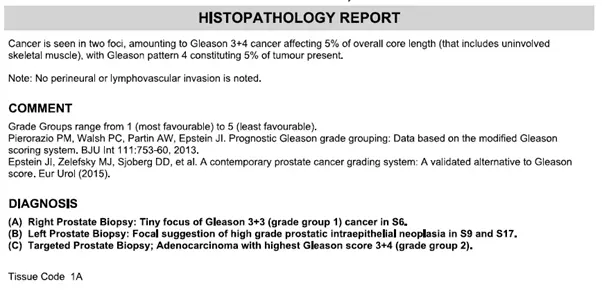
For patient education, a visual of a sample histopathology report (with patient identifiers removed) showing where the Gleason score is stated can help build familiarity with the report format. Please consult our lab team for approved materials.
Speak to your doctor about which test is right for you, or view our full test catalogue to learn more.
If you're over 50 or have risk factors such as family history, it is time to talk to your doctor about prostate cancer screening. A simple PSA test could make all the difference.
Parkway Laboratories partners with doctors in Singapore. We provide quick and accurate test results. This helps you take charge of your health.
References:
Vetted by Our Pathologists
This article has been reviewed and vetted by our pathologists:
- Dr Carmen Yu – Medical Director, Consultant Pathologist
- Dr Leslie Lam – Deputy Medical Director, Consultant Chemical Pathologist
Meet our Pathologists: https://www.parkwaylabs.com.sg/about/our-pathologists