What Blood Tests Should Women Do at Every Age? A Comprehensive Guide for Women in Singapore
Preventive healthcare is one of the best tools women have to protect their well-being. Yet for many, understanding which tests to do can be confusing.
The reality is that a woman's health needs shifts meaningfully across each decade of life. It is shaped by hormonal changes, lifestyle factors, and evolving risk profiles.
Many conditions are far more manageable when detected early, but they often creep up on us, developing silently. This is where routine blood tests can help, by offering a window into what may not yet be symptomatic.
This guide, which is aligned with the latest clinical standards and Singapore’s national screening framework, outlines the key diagnostic tests to consider at each life stage, from your 20s through to your 50s and beyond.

In Your 20s: Establishing a Health Baseline
Your 20s are an ideal time to capture a snapshot of your body's normal values – or a baseline - before life's demands accumulate.
Many women in this age group feel well and assume screening is unnecessary. However, conditions like iron deficiency, thyroid imbalance, and vitamin D insufficiency are common among younger women and are easily missed without testing.
Recommended tests to consider in your 20s include:
- Full Blood Count (FBC) - Assesses red blood cells, white blood cells, and platelets. Primarily used to screen for anaemia, which is common among women of reproductive age due to menstrual blood loss.
- Ferritin (Iron status) - A measure of the body's iron reserves. Low ferritin levels can cause fatigue, reduced concentration, and hair thinning, even if your red blood cell count appears normal.
- Thyroid Function (TSH & Free T4) – Statistically, women are more prone to thyroid disorders compared to men. This series of blood tests measures how well the thyroid gland is working by detecting underactive (hypothyroidism) or overactive (hyperthyroidism) conditions, and screening for thyroid disorders.
- Vitamin D - Vitamin D deficiency is highly prevalent in Singapore despite our tropical climate, due to indoor lifestyles and sun avoidance. Understanding your Vitamin D level is critical for bone density and mood regulation.
- Cervical Screening - Per Singapore’s Ministry of Health screening guidelines, women aged 25 to 29 who have ever been sexually active should have a Pap Smear every 3 years.
In Your 30s: Metabolic and Reproductive Awareness
The 30s often bring significant changes in your lifestyle, that can quietly accelerate metabolic risk – from childbirth, career demands, family responsibilities, to lifestyle and dietary changes.
This decade is the right time to begin monitoring cardiovascular and metabolic markers before problems become entrenched.
Recommended tests to consider in your 30s include:
- Lipid profile - A lipid profile test measures the amount of cholesterol and fats in your blood, to assess your cardiovascular health and risk of heart disease. It screens for, diagnoses, and monitors high cholesterol, which can cause plaque buildup in arteries leading to strokes or heart attacks. Identifying high LDL (“bad” cholesterol) early is vital for long-term heart health.
- HbA1c (Blood Glucose) – This blood glucose test takes the three-month average of your blood sugar levels. The test becomes increasingly relevant in your 30s and is essential for women with risk factors including gestational diabetes history, Polycystic Ovary Syndrome (PCOS), or a sedentary lifestyle.
- Liver Function Tests (LFTs) - Fatty liver disease is a condition that is rising in prevalence in Singapore, even among non-drinkers, due to metabolic factors. An LFT helps to evaluate liver health and detect abnormalities that may be affecting your liver.
- Urine Albumin-to-Creatinine Ratio (uACR) – A local study has projected that one in four Singaporeans could be living with Chronic Kidney Disease (CKD) by 2035. The purpose of this urine test is to help detect, diagnose, and monitor CKD. It measures the amount of albumin (a protein) and creatinine (a waste product) in a urine sample to detect early kidney damage.
- Postpartum Thyroid Check - For women who have recently given birth, a thyroid screen in the months following delivery helps rule out postpartum thyroiditis, a condition often overlooked but which can cause significant fatigue, mood changes, and weight fluctuation.
- Cervical Screening - At age 30, Singapore’s national screening programme transitions to HPV DNA testing (every 5 years), which provides more sensitive detection of cervical cancer risk than the Pap Smear alone.
In Your 40s: The Perimenopausal Transition
The 40s represent a pivotal decade for women's health, with hormonal fluctuations as the body prepares for menopause. Monitoring through tests shifts from understanding baseline levels to risk management. Based on national screening guidelines, this is also the age when you should start to do a mammogram annually, to check for breast cancer.
From the latest 2026 clinical guidelines, it suggests that for women over the age of 45 years old, diagnosis of menopause should be based on clinical symptoms rather than blood tests such as an FSH (Follicle-Stimulating Hormone) test or an Estradiol test. This is because the levels of hormones and estrogen, which these tests measure, fluctuate too much daily to be a reliable indicator.
- hs-CRP (High-Sensitivity C-Reactive Protein) - This test identifies low-grade inflammation in the body, which can provide a clearer picture of cardiovascular risk than standard cholesterol tests alone. It is particularly relevant during the perimenopausal transition, when oestrogen levels begin to fluctuate and inflammatory markers may rise.
In Your 50s and Beyond: Chronic Disease Management
Post-menopause brings a distinct shift in health priorities. Oestrogen decline accelerates bone loss and alters cardiovascular risk profiles. Chronic conditions including hypertension, dyslipidaemia, diabetes, and osteoporosis become significantly more prevalent in this group. Mammogram screening tails down to once every two years. Screening at this stage is about ongoing management as much as early detection.
Recommended tests to consider from age 50 onwards include:
- Bone Health Markers – Blood tests for Calcium and Phosphate, reviewed alongside Bone Mineral Density (BMD) scans, support the assessment of bone and mineral health. These ensure your body can maintain bone strength.
- Vitamin B12 – Vitamin B12 absorption often decreases with age. Low levels can cause peripheral neuropathy, cognitive changes, or a persistent “brain fog” that is sometimes mistakenly attributed to age-related decline.
- Apolipoprotein B (ApoB) – Cardiovascular risk rises after menopause. This test provides a precise measurement of the particles that cause arterial plaque and is highly recommended for those with high cholesterol. Regular lipid monitoring, supplemented with ApoB in selected patients, supports informed decisions about lifestyle modification or treatment.
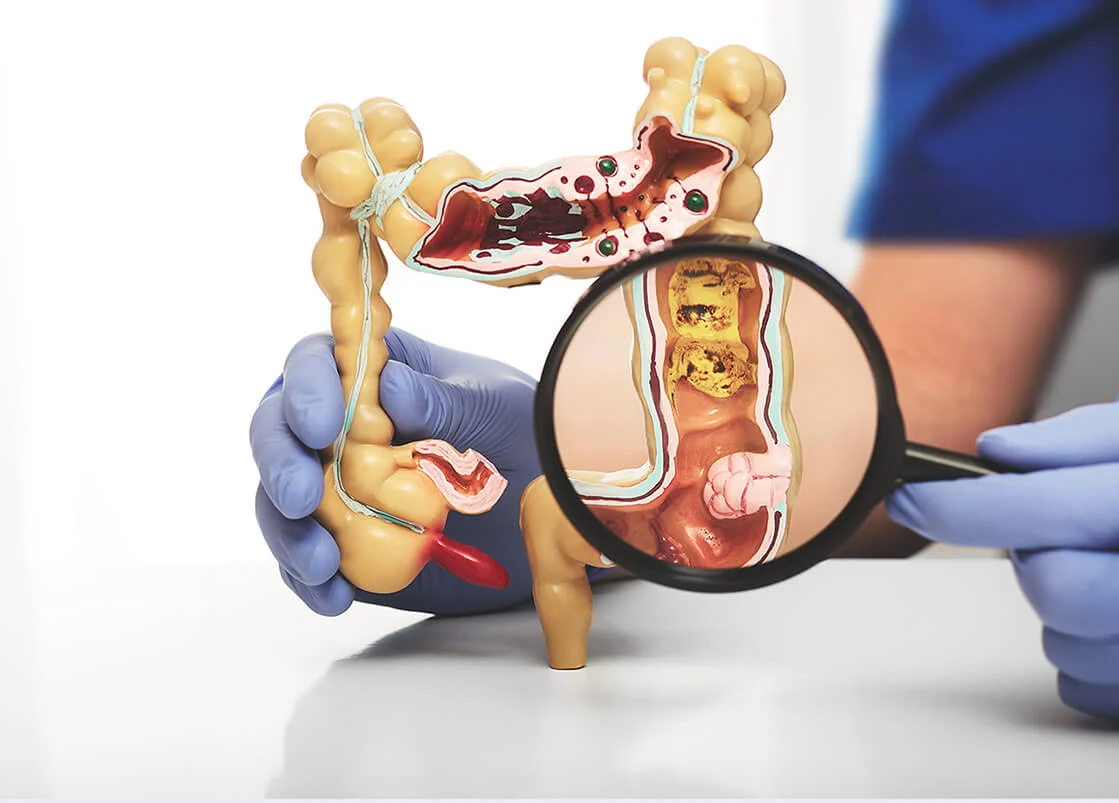
- Colorectal Screening - From age 50, Singapore’s national guidelines recommend either a yearly FIT (Faecal Immunochemical Test) or a colonoscopy every 10 years. The FIT is a simple, non-invasive stool test that can be done at home and is available through subsidised programmes at CHAS GP clinics. Those with a family history of colorectal cancer or with prior polyps should discuss earlier or more frequent screening with their doctor.

Summary Checklist for Singaporean Women
The table below provides a summary of key tests to discuss with your GP at each life stage. This is a guide, not a prescription. Your doctor will advise you based on your individual risk profile.
|
Age Group |
National Must-Dos (Subsidised*) |
Recommended Blood “Add-Ons” |
|
20s |
Cervical Screening - Pap Smear (every 3 years) |
|
|
30s |
Cervical Screening - HPV DNA Test (every 5 years) |
· Urine Albumin-to-Creatinine Ratio (uACR) for Kidney |
|
40s |
Breast Cancer Screening - Mammogram Diabetes Screening - Fasting Glucose & Cholesterol |
|
|
50s |
Breast Cancer Screening -Mammogram Colorectal Screening - Faecal Occult Blood Test (FOBT) (every year) or Colonoscopy (every 10 years) |
· ApoB |
*Local tip: Eligible Singaporeans can access highly subsidised screening for “must-do” tests through the Healthier SG Screening programme. Check your eligibility via HealthHub.
Taking a Proactive Approach to Preventive Health
Preventive blood tests are about understanding your health status, so that you and your doctor can make the right decision at the right time, when it comes to managing your health.
The earlier a risk is identified, the greater the opportunity to intervene through lifestyle changes, monitoring, or treatment. To ensure accurate results, always fast for 10 to 12 hours before metabolic blood tests such as fasting glucose and lipid panels.
The tests outlined in this guide represent a clinically grounded starting point, so that you can begin a conversation with your GP. They should not be taken as a self-prescribed checklist.
Remember that a good preventive health plan evolves with you, and is informed by your personal history, family background, and lifestyle.
Parkway Laboratory Services offers a comprehensive range of diagnostic tests across all the categories covered in this article, from routine haematology and biochemistry to advanced cardiovascular markers and urine analysis.
Our services are accessible through GP referral and are designed to support timely, accurate diagnosis as part of a coordinated care pathway. Contact us to find out more.